

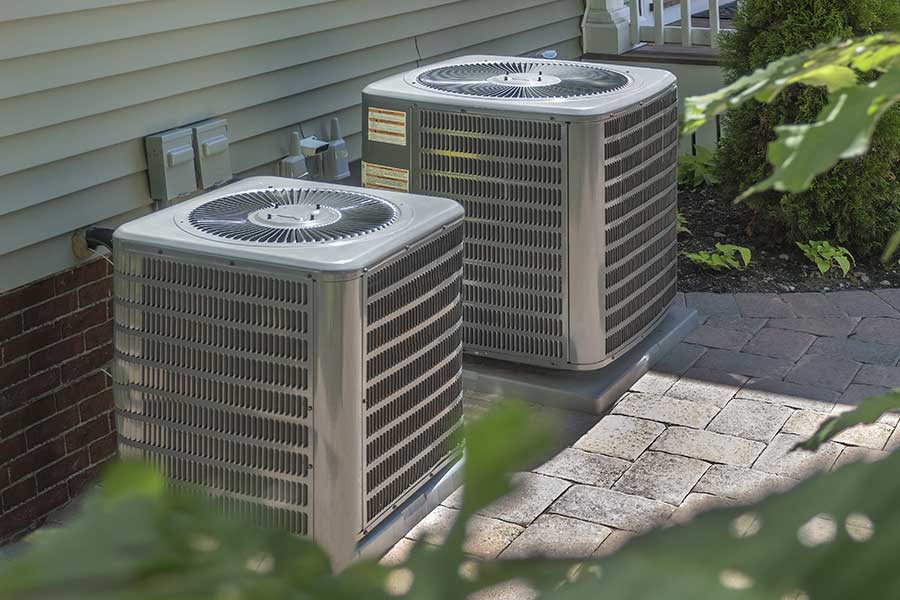
If your heat pump is blowing cold air in heating mode, a few common issues are usually to blame. The thermostat settings may be off, the air filter may be clogged, or the refrigerant levels may be low enough to reduce heating performance. Outdoor conditions matter too, especially when frost builds up on the outdoor unit during a cold, damp Kent morning. When the problem goes beyond a simple settings fix, professional heat pump repair in Kent gets your home warm again. Here’s what we look for and how to keep your heat pump running smoothly all winter long.
Common Reasons Your Heat Pump Blows Cold Air in Heating Mode
Few things are more frustrating than holding your hand up to a vent in January and feeling cool air. In our service calls throughout Kent, we see this problem come up again and again once the colder months settle in.
Here are the most common reasons it happens:
- Thermostat settings: If the thermostat is set to “cool” or “auto” instead of “heat,” the system may not be heating at all. It’s always worth a quick look before anything else.
- Defrost mode: Heat pumps periodically run a defrost cycle to melt frost off the outdoor coil. During that cycle, the air coming from your vents can feel cool for a few minutes. This is normal, but it shouldn’t happen constantly.
- Dirty or clogged air filter: A clogged filter restricts airflow, making it harder for the system to deliver warm air.
- Low refrigerant: Without the proper refrigerant charge, your heat pump can’t extract enough heat from the outdoor air to warm your home.
- Ice or debris on the outdoor unit: Leaves, grass clippings, or heavy ice buildup can keep the system from heating effectively.
Some of these issues trace back to the original setup. A system that was undersized or installed incorrectly may never keep up in colder weather. When that’s the case, a proper heat pump installation matched to your home’s size and layout can make a big difference in comfort.
If you’re dealing with cold air from your vents, reach out to Northwest Expert Heating, Cooling & Electrical. We’re here to help keep your home cozy and comfortable all season long.
How Outdoor Temperature Affects Heat Pump Performance
As temperatures drop, your heat pump has to work harder to pull heat from the outside air. Working in homes across Kent, we notice this most in the low-lying Kent Valley along the Green River, where cold air and freezing fog tend to settle on winter mornings. Homes up on East Hill can see their own share of frosty starts as well.
When it gets cold, your heat pump may struggle to hold the indoor temperature you want. Here’s why:
- Heat pump efficiency: Most heat pumps become less efficient as outdoor temperatures fall.
- Frost buildup: Cold, damp air can cause frost to accumulate on the outdoor coil, reducing performance until the defrost cycle clears it.
- Heating capacity: Every heat pump has a specific heating capacity, and during a hard freeze, that capacity may fall short of what your home needs.
- Auxiliary heat activation: When temperatures drop too low, the system may lean on backup heat, which typically costs more to run.
- Thermostat settings: Incorrect settings or an outdated thermostat can make cold-weather performance even worse.
That last point is one we see often. An older thermostat may not handle auxiliary heat or defrost cycles effectively, leading to energy waste and uneven comfort. Replacing your thermostat gives you better control and helps your heat pump run as it was designed to.
The Role of Refrigerant Levels in Heating Efficiency
Refrigerant plays a central role in how well your heat pump heats your home. When levels are low, the system can’t absorb and transfer heat effectively, resulting in lukewarm or cold air from your vents.
Think of refrigerant as the lifeblood of your heat pump. With the proper charge, your system can move heat efficiently from outdoors to indoors. Without it, even a newer system will struggle.
Low refrigerant usually means there’s a leak somewhere in the system. Topping it off without finding and fixing that leak is only a temporary fix, and handling refrigerant requires specialized equipment and certification. Based on what we see in Kent properties, these are the warning signs that point to a refrigerant problem:
- Inconsistent heating: Some cycles feel warm while others don’t.
- Rising energy bills: The system runs longer to compensate for reduced efficiency.
- Ice on the refrigerant lines: Frost forming on the copper lines near the outdoor unit.
- Hissing or bubbling sounds: Noises that may point to a leak in the system.
If you notice any of these signs, it’s best to have a technician check the system promptly before the problem leads to more serious damage.
Signs Your Heat Pump Needs Maintenance or Repair
Your heat pump works hard through the long, wet Kent winters, so it pays to know when it needs attention.
If you notice any of the following signs, it’s time to schedule a professional visit:
- Frequent cycling: The heat pump turns on and off more often than it should.
- Uneven temperatures: Some rooms stay chilly while others feel fine.
- Higher energy bills: Your costs climb without a clear change in how you use your system.
- Strange noises: Grinding, rattling, or squealing during operation.
- Ice buildup in mild weather: The outdoor unit ices over even when temperatures aren’t very cold.
Many of these problems can be caught early with routine care. Regular heat pump maintenance helps your system run more efficiently, last longer, and reduce unexpected breakdowns during the coldest weeks of the year.
When to Call a Professional in Kent, WA for Heat Pump Issues?
Spotting the warning signs is the first step. When you notice strange noises, uneven temperatures, or cold air in heating mode that doesn’t go away after a defrost cycle, it’s time to bring in a professional.
Waiting usually makes things worse. If your heat pump is short-cycling or running nonstop without warming your home, there’s likely a deeper issue that needs a proper diagnosis.
Here’s when we recommend calling right away:
- Cold air that won’t quit: The system keeps blowing cool air long after it should have warmed up.
- Constant running: The heat pump never seems to shut off, but your home still feels cold.
- A spike in energy bills: A sudden jump often signals the system is losing efficiency.
- Visible damage or heavy ice: The outdoor unit is encased in ice or has visible damage.
In Kent, WA, calling Northwest Expert Heating, Cooling & Electrical means working with a team of fully certified professionals who service all major heat pump brands. We diagnose the real cause and fix it properly, so you’re not left guessing.
When your heat pump shows these signs, getting professional help early keeps your home comfortable and energy-efficient throughout the colder months.
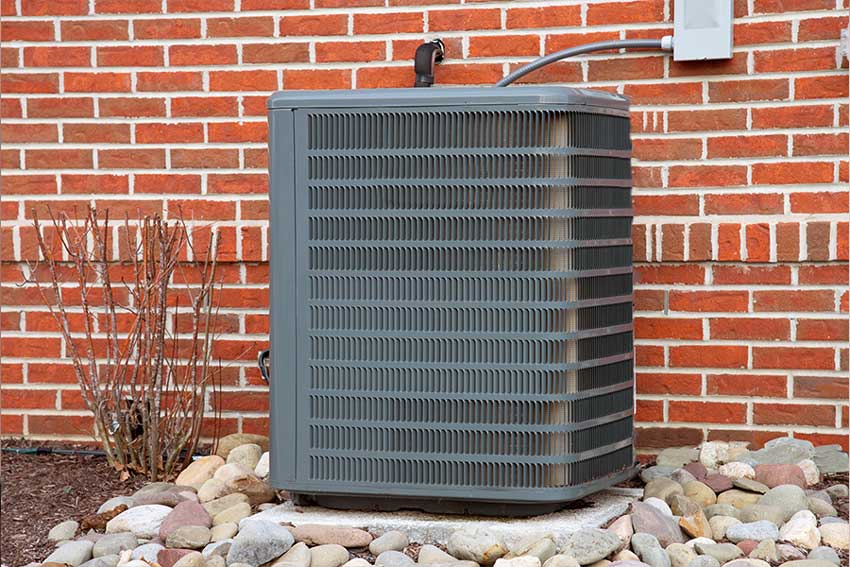
Getting Your Heat Back on Track With an Expert Touch
A heat pump blowing cold air can make a Kent winter feel a lot longer than it needs to be. Sometimes it’s a simple thermostat setting or a normal defrost cycle, and sometimes it’s a refrigerant leak or a worn part that needs expert attention. Knowing the common causes and when to call for help puts you back in control of your home’s comfort. Northwest Expert Heating, Cooling & Electrical stands behind every job with a satisfaction guarantee, and we’re committed to making sure no Kent family is left without heat. When your heat pump isn’t pulling its weight, schedule your service today, and we’ll get warm air flowing again.